
Blog
Guides, data-driven analyses and field reports on hosted Bitcoin mining.
Stratum Jobs and clean_jobs
A Stratum job is a work contract, and the clean_jobs flag revokes it. The five causes of invalidation and what you can actually fix.
3 min
Read articleAll articles
- Article
Causes of Rejected Shares
Stale, duplicate, target not met, drifted clock: the four families of rejects, how to tell them apart in a dashboard, and the procedure to isolate the cause.
3 min - Article
Miner Uptime and Drops: Maximizing Operating Time
Useful uptime is the time a machine hashes work the pool accepts. The six links in the chain, and the method for finding which one broke.
3 min - Article
Clock, Voltage, and Overclocking Risks
Clock and voltage are set together or not at all. The six concrete risks of an off-envelope profile, and the procedure for testing a change without losing a board.
3 min - Article
Heat, Airflow, and Thermal Derating
An ASIC turns nearly all its electricity into heat. Bad airflow makes firmware derate and the sticker hashrate disappears. How to spot the cause and fix it.
3 min - Article
ASIC Cooling: Air, Hydro, and Immersion
Air, hydro and immersion each move the constraint somewhere else: noise, water, chemistry, building. The concrete criteria for deciding on your site.
5 min - Article
ASIC Power Supply: PSU and Electrical Considerations
A miner PSU is a server-style brick: high-current rails, OVP/OCP/OTP trips, strict matching to the model. What to check before plugging in.
4 min - Article
Hashboard vs Control Board: ASIC Anatomy
Hashboards produce the hashrate, the control board talks to the pool. Telling the two roles apart stops you ordering the wrong spare.
3 min - Article
Coinbase and Miner Work: Building Mining Work
The coinbase creates the reward and carries the extraNonce. Change one byte and the Merkle root changes, so the header changes, and the miner's search space reopens.
3 min - Article
ASICBoost: Hardware Mining Optimization
ASICBoost reorders SHA-256 work to share more computation across tries. What it actually changes for an operator, and how to check version rolling on your machines.
3 min - Article
nBits and Target: Understanding Difficulty Encoding
nBits encodes the difficulty target in 4 bytes inside the header. Target, network difficulty, and share difficulty are three distinct objects, and confusing them skews the diagnosis.
3 min - Article
Stratum V1 vs Stratum V2: Protocol Evolution
Stratum v1 lets the pool build the block over a cleartext channel. Stratum v2 encrypts the channel and, depending on mode, lets the miner choose its transactions.
3 min - Article
Midstate: SHA-256 Hashing Optimization
Midstate is the SHA-256 state after the first 64 bytes of the header. It avoids recomputing the prefix on every nonce, and expires as soon as the Merkle root changes.
3 min - Article
Bitcoin Block Header: Structure and Fields
The 80-byte header is the only object the machine hashes. Version, prevhash, Merkle root, nTime, nBits, nonce: what each field allows, and which ones the miner can move.
3 min - Article
Shares and Latency: Understanding ASIC-Pool Communication
A share proves work to the pool, latency decides how long that work stays valid. What drives stales up, and the five measurements to take on one window.
3 min - Article
Bitmain Stock OS vs Custom Firmware: Which to Choose?
Stock firmware favours warranty and the vendor path, custom firmware favours fine control and telemetry. The six risks to weigh and the five questions to ask before flashing.
3 min - Article
Bitcoin Difficulty Explained
Difficulty retargets every 2016 blocks to hold a ten-minute block time. What it changes for your revenue, and the most common calculation traps.
3 min - Article
SHA-256: Bitcoin's Mining Algorithm
Mining is hashing an 80-byte header twice until it falls under the network target. Pools, shares and firmware sit on top of that loop.
3 min - Article
How to Read an ASIC Spec Sheet
A manufacturer spec sheet gives reference conditions, not a warranty. Read the footnotes, the inlet temperature, and the tolerances before the TH/s headline.
5 min - Article
Antminer S21 151 TH/s: Specs
"S21 151T" is a bin nickname, not a model. 151 TH/s at 2,642 W and 17.5 J/TH, with the shared S21 hardware envelope and what to verify before buying.
3 min - Article
Antminer S21 XP: Specs and Analysis
Air-cooled SHA-256 ASIC, rated by BITMAIN at 270 TH/s for 3,645 W, so 13.5 J/TH. Not to be confused with the S21 XP Hyd, a separate liquid-cooled product.
3 min - Article
Mining Hosting SLA and Maintenance
An SLA is read after the limitation of liability clause. How to decode a "99.9 %", what stays out of scope, and the six checks before signing.
4 min - Article
Paying for Mining Hosting: Methods and Rates
Billing by kWh, by reserved kW, or by flat rate: three units that spread the risk differently. What to verify before wiring a deposit.
4 min - Article
What a Hosted Mining Plan Includes
A hosting plan is a colocation contract: space, power, cooling, network, first-line maintenance. The five items to require in writing, and the usual exclusions.
3 min - Article
Major Bitcoin Mining Pools
Foundry, AntPool, ViaBTC, F2Pool, MARA, SpiderPool and the rest: who they are, and the method for judging a pool on your latency rather than its market share.
4 min - Article
How to Connect an ASIC to a Mining Pool
Stratum URL, worker name, failover, payout address: the fields to fill, the mistakes that leave you hashing into the void, and the check that confirms it works.
4 min - Article
Solo Mining vs Pool Mining: Which to Choose?
Solo keeps the whole block and template control, but the wait often runs into decades. The formula to compute your own expected delay before deciding.
4 min - Article
Pool Fees: How Much Does a Mining Pool Cost?
Pool fees pay for coordination, not electricity or hosting. Where they hide beyond the headline percentage, and how to compute your real effective rate.
4 min - Article
FPPS vs PPLNS: Which Payout Method to Choose?
FPPS pays every valid share and the pool carries your variance. PPLNS pays only on a found block, rewarding uptime. The choice follows your treasury, not your yield.
4 min - Article
What is a Mining Pool?
A pool aggregates hashrate from many miners and smooths revenue. It does not change expected value, only variance. What it does, what it costs, and what to check before connecting.
3 min 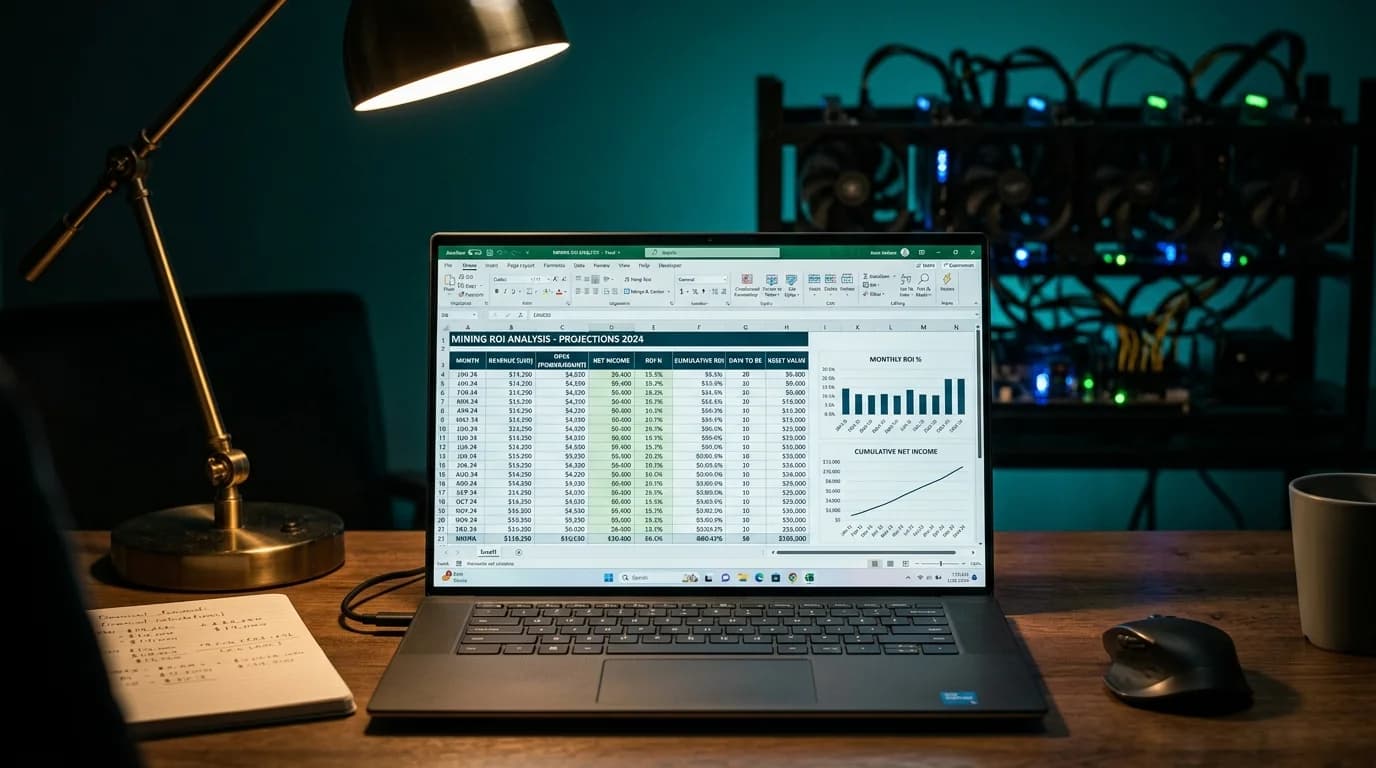 Profitability & ROI
ASIC Miner ROI: How to Calculate Your Break-Even
One formula, six variables, a spreadsheet. For an S21 Pro at median 2026 hashprice: +$6.78/day hosted, −$0.80/day at home. The full method, applicable to any machine.
4 min Fundamentals & Beginners
The Bitcoin Halving Explained: Impact on Mining
Every 210,000 blocks the reward halves. The next one lands in spring 2028 at 1.5625 BTC: any 2026 ASIC purchase has to model that date.
4 min Hosted Mining (core business)
Bitcoin Mining Colocation Costs: Pricing Breakdown
From $0.055 to $0.10/kWh, plus $100 to $350 of setup. On an S21 Pro, $1,850 to $3,250 per year. The three billing models and the negotiation levers.
4 min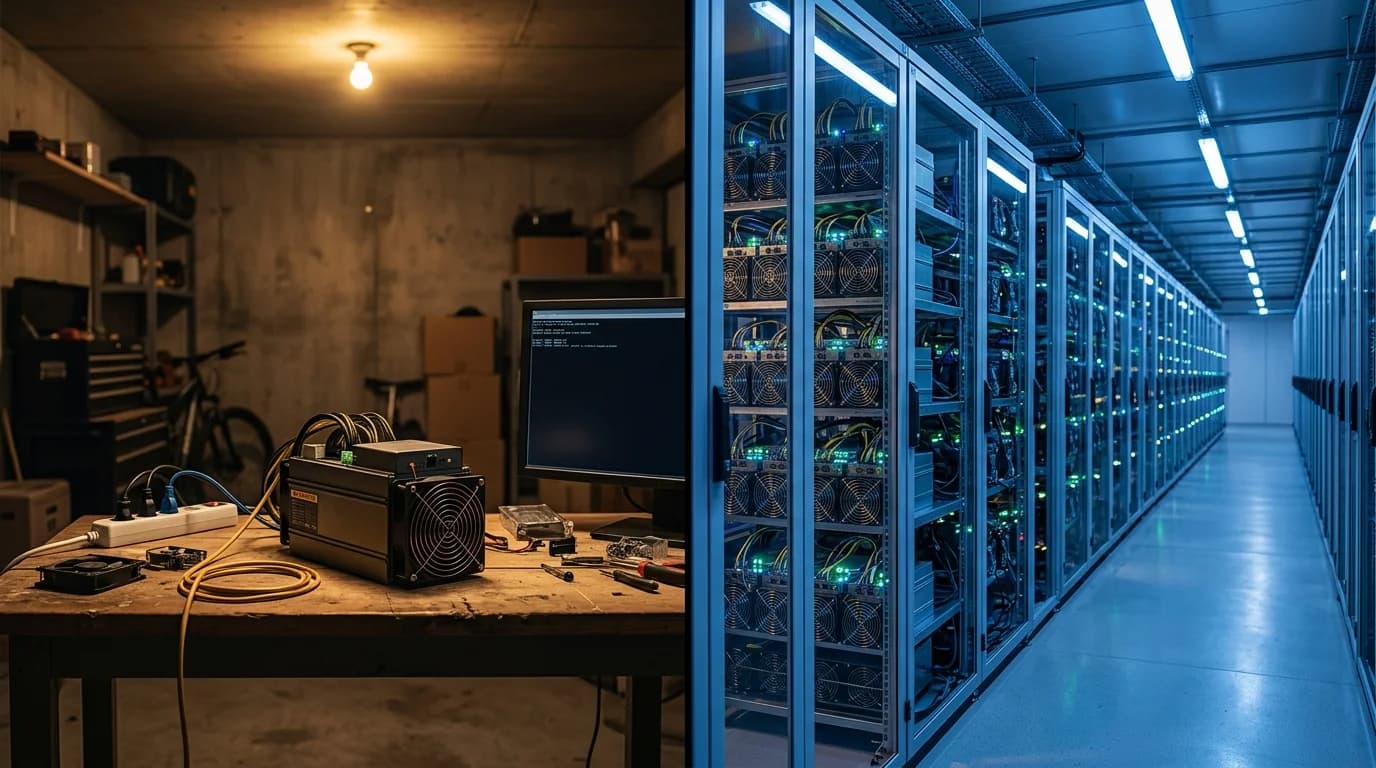 Hosted Mining (core business)
Hosted Mining vs Home Mining: Which Wins?
Three questions settle it: your real kWh rate, your tolerance for 75 dB and 3.5 kW of heat, and your electrical installation. The twelve-month comparison.
4 min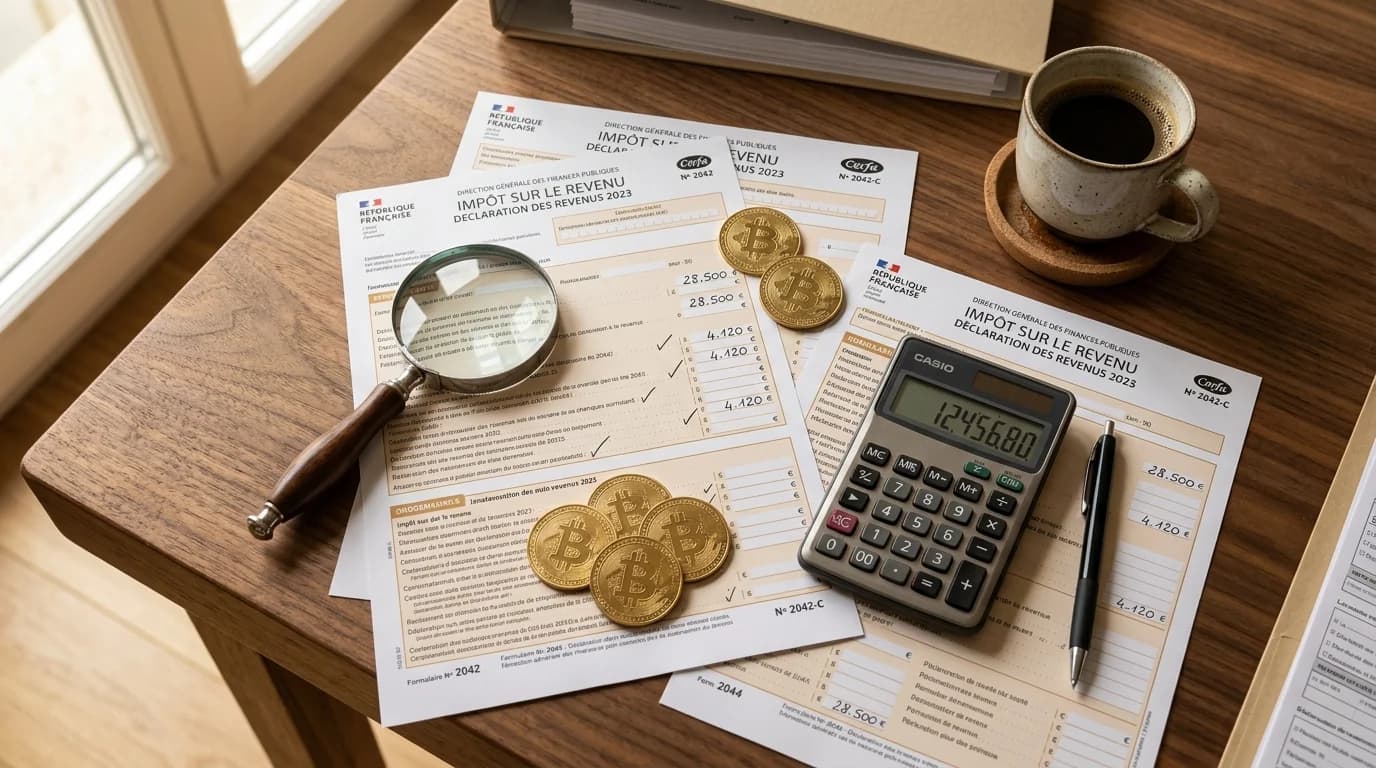 Hosted Mining (core business)
Cloud Mining vs Colocation: The Real Difference
Cloud mining rents unverifiable hashpower you never own. Colocation means you own the ASIC and an operator hosts it. The risk profiles are not comparable.
5 min Fundamentals & Beginners
Bitcoin Mining for Beginners: Where to Start
Four concepts to master, an ASIC between $4,200 and $17,500, and three ways to start. At US residential rates the operation loses money; in hosting it works under conditions.
5 min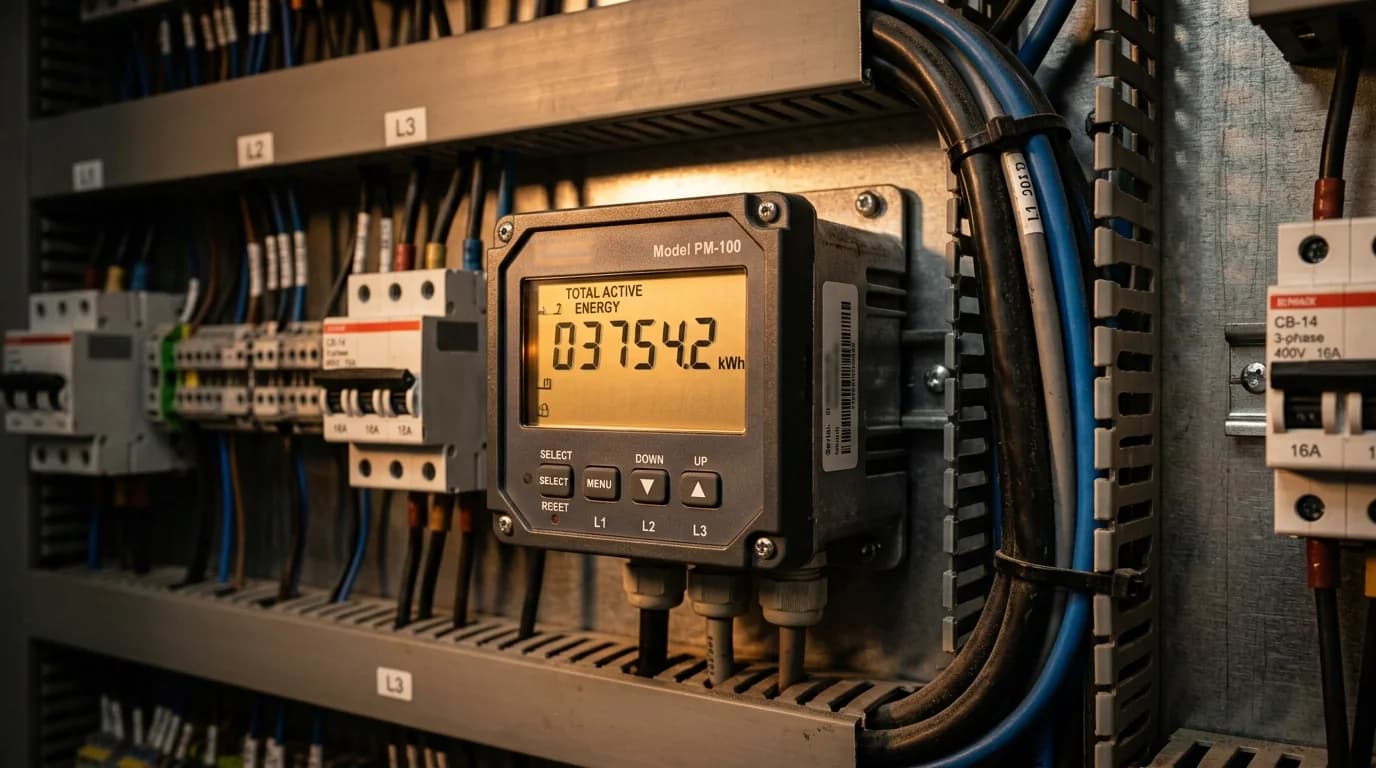 Profitability & ROI
Bitcoin Mining Electricity Costs: What You Really Pay
An S21 Pro draws 2,527 kWh per month, $404 at the US residential average against $177 in hosting. The full calculation, and the four levers for cutting the bill.
4 min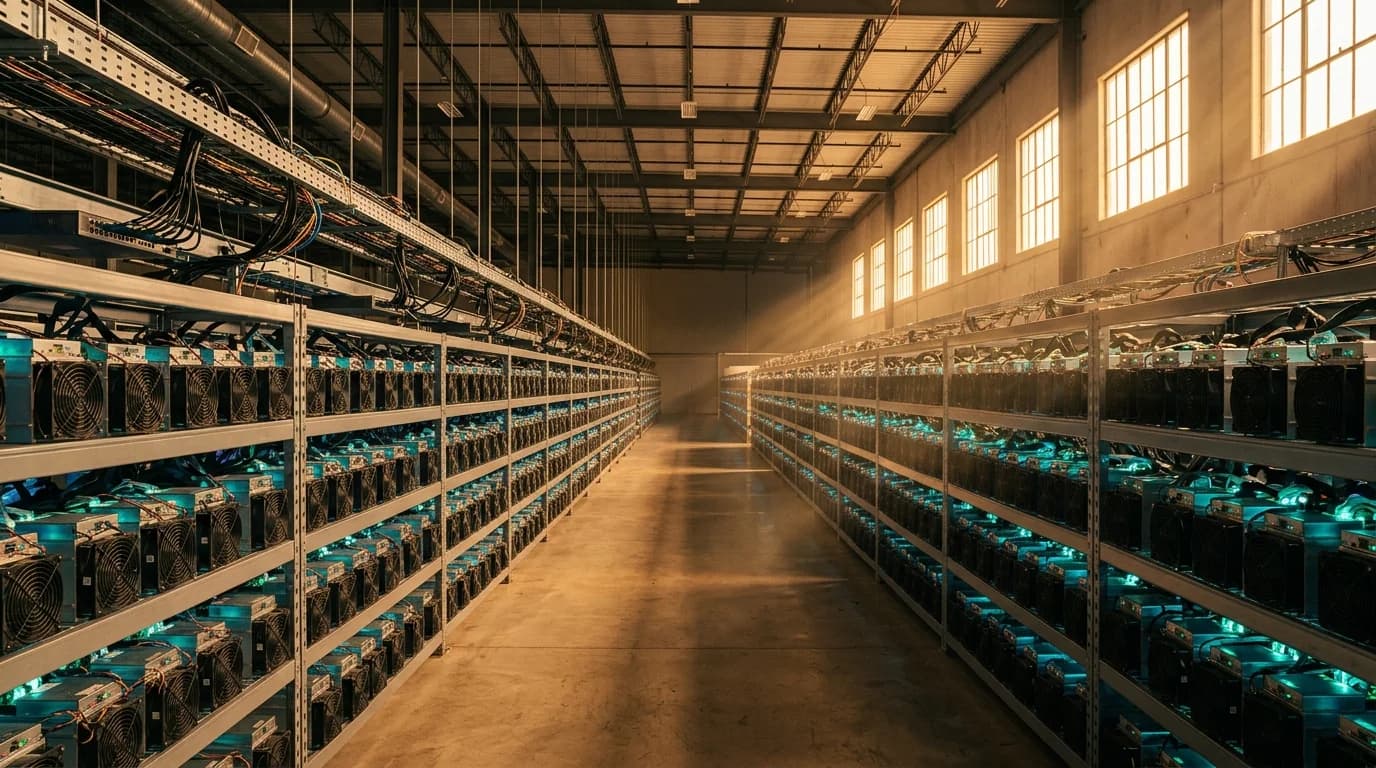 Guide pillar
Bitcoin Mining: The Complete Guide (2026)
Mining in 2026 comes down to one gap: $0.07/kWh in hosting against $0.16 US residential average. The real numbers, and the three ways to participate.
6 min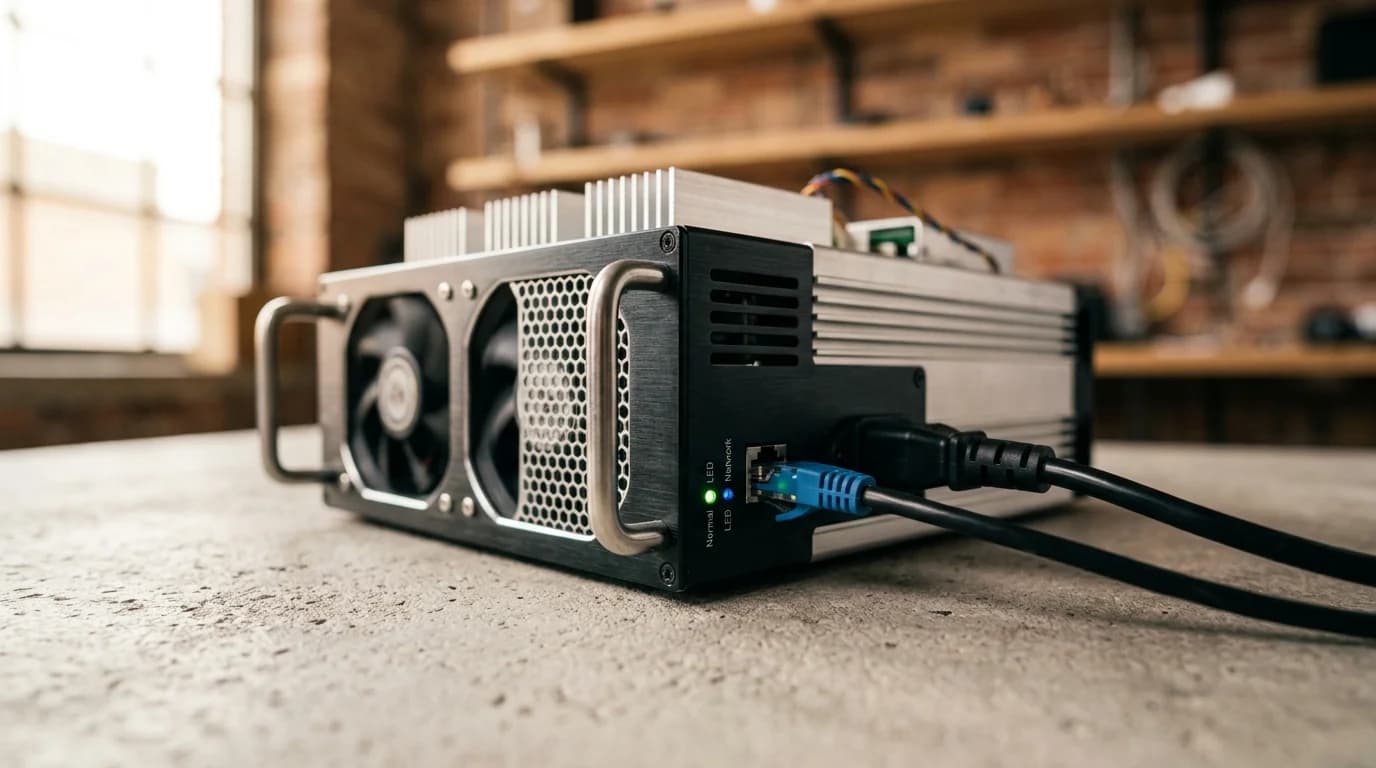 Fundamentals & Beginners
How to Start Bitcoin Mining in 2026 (Step-by-Step)
Six steps: pick the ASIC, secure a wallet, choose a pool, configure the machine, settle home versus hosting, track profitability. Thirty minutes of setup, 29 to 34 months to payback.
5 min ASIC Hardware
Buying an ASIC Miner: Complete Guide & Watch-Outs
Manufacturer direct, authorized reseller, or used: the three routes, their real costs including tax and shipping, and the checks to run before paying.
5 min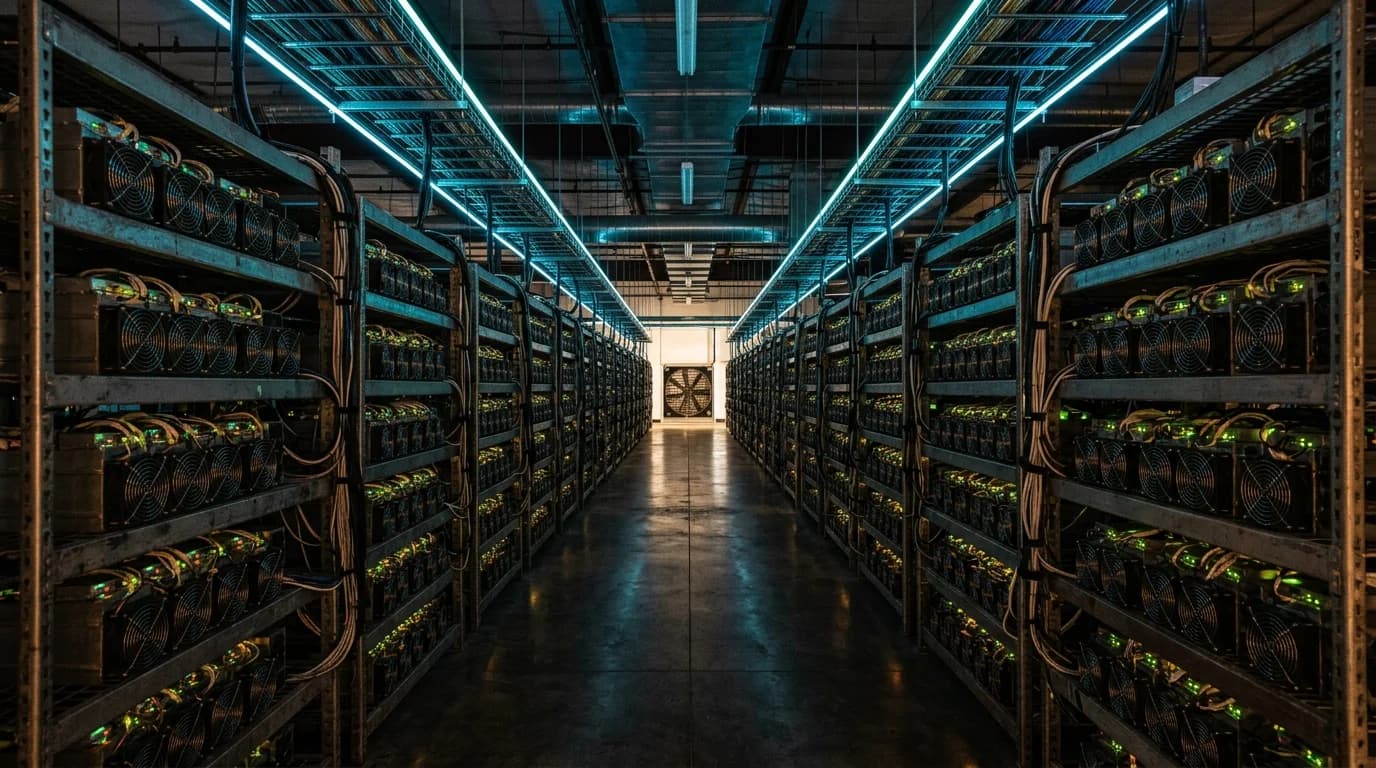 Hosted Mining (core business)
Hosted Bitcoin mining
You buy the machine, a company racks it and bills you for space and power. That is colocation, not cloud mining. What to read in the contract.
2 min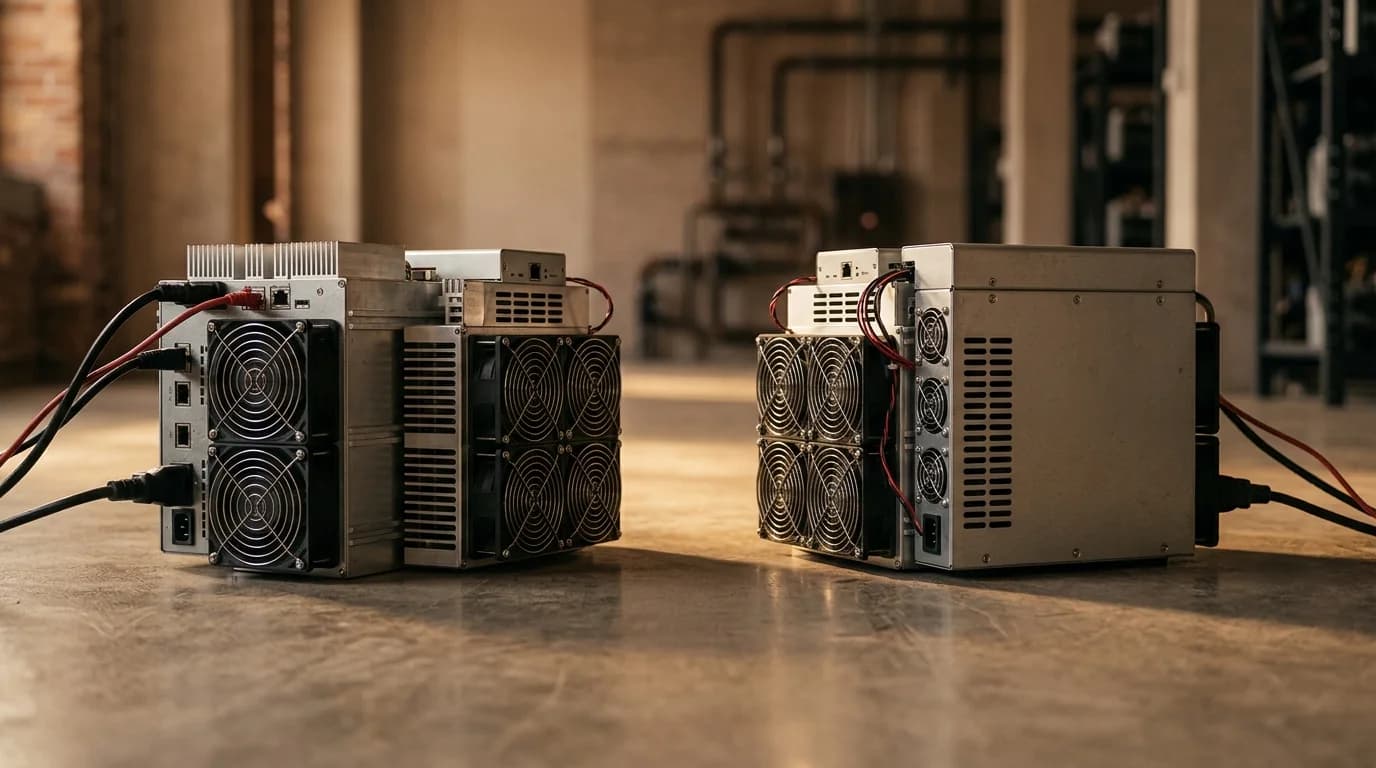 ASIC Hardware
Antminer S21 vs S23: Which Should You Buy?
The S21 Pro pays back a modest capex on air at 15 J/TH. The S23 Hydro 3U reaches 9.5 J/TH but costs $16,500 and demands a hydro loop. The 2028 halving decides it.
5 min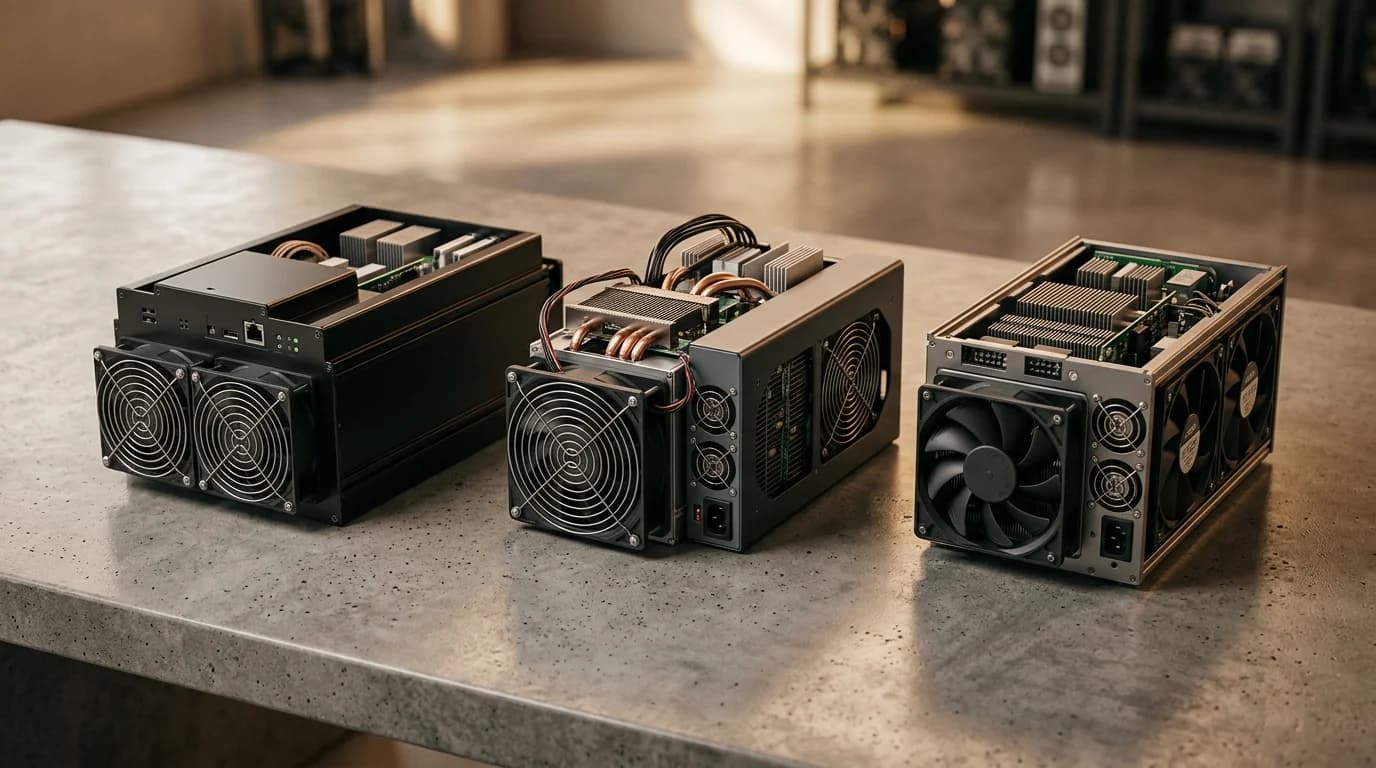 ASIC Hardware
Best ASIC Miners 2026: Complete Comparison
Three picks by situation: S21 Pro to start, S23 Hyd 3U for maximum efficiency, M60S on a tight budget. The deciding criterion stays J/TH, not hashrate.
5 min Profitability & ROI
Is Bitcoin Mining Profitable in 2026? Honest Breakdown
At home, margin hits zero at $0.150/kWh while the US residential average sits at $0.16. Hosted at $0.07, the machine pays back in about three years.
4 min Buying & Market
Bitcoin ASIC Price in 2026: What It Really Costs
A new ASIC costs $25 to $35 per TH in 2026, so $3,250 to $17,500 depending on the model. Price tracks hashprice, amplified by roughly 1.5 times.
5 min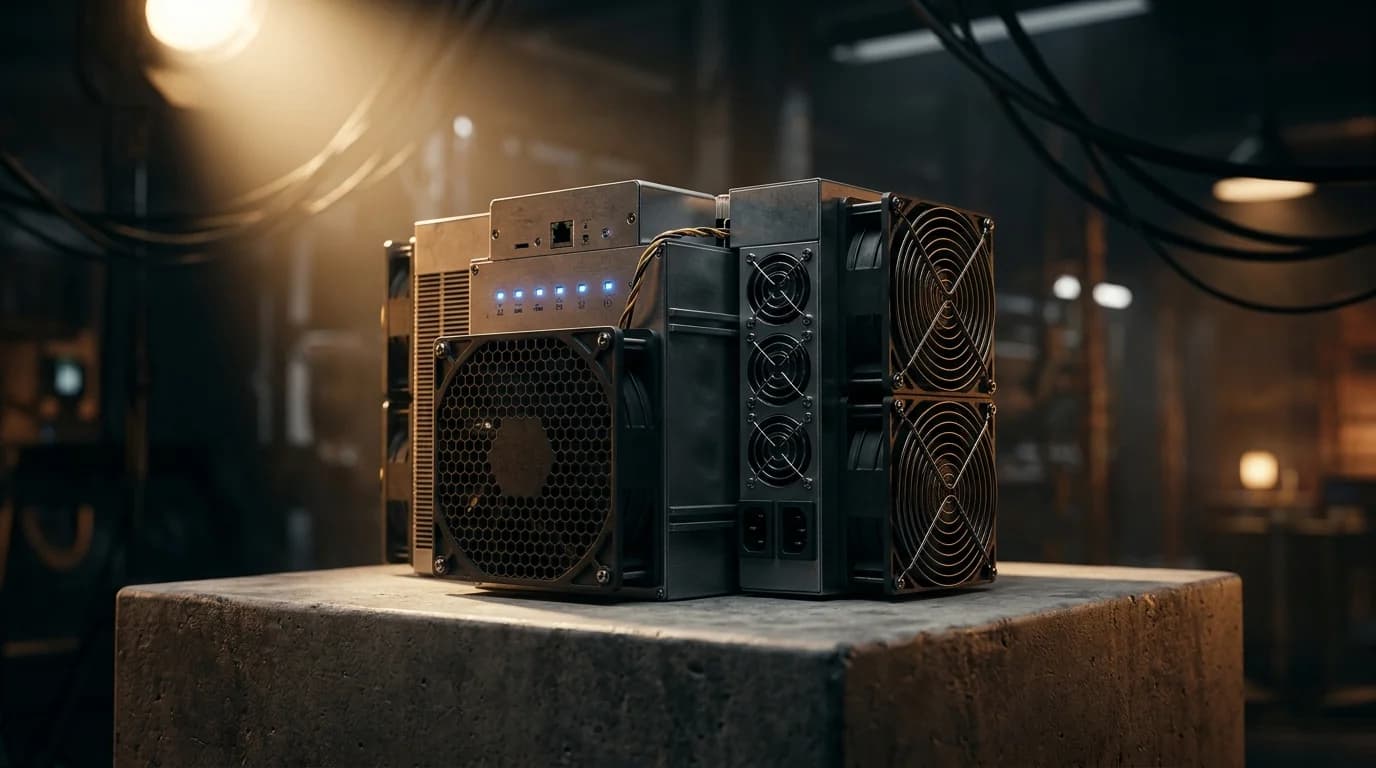 Reference Models
Antminer S21 Pro: Review, Price and Profitability 2026
The S21 Pro delivers 234 TH/s at 15.0 J/TH for about $6,000 in 2026. Its gross margin hits zero at $0.139/kWh, which rules out US residential rates and points to hosting.
5 min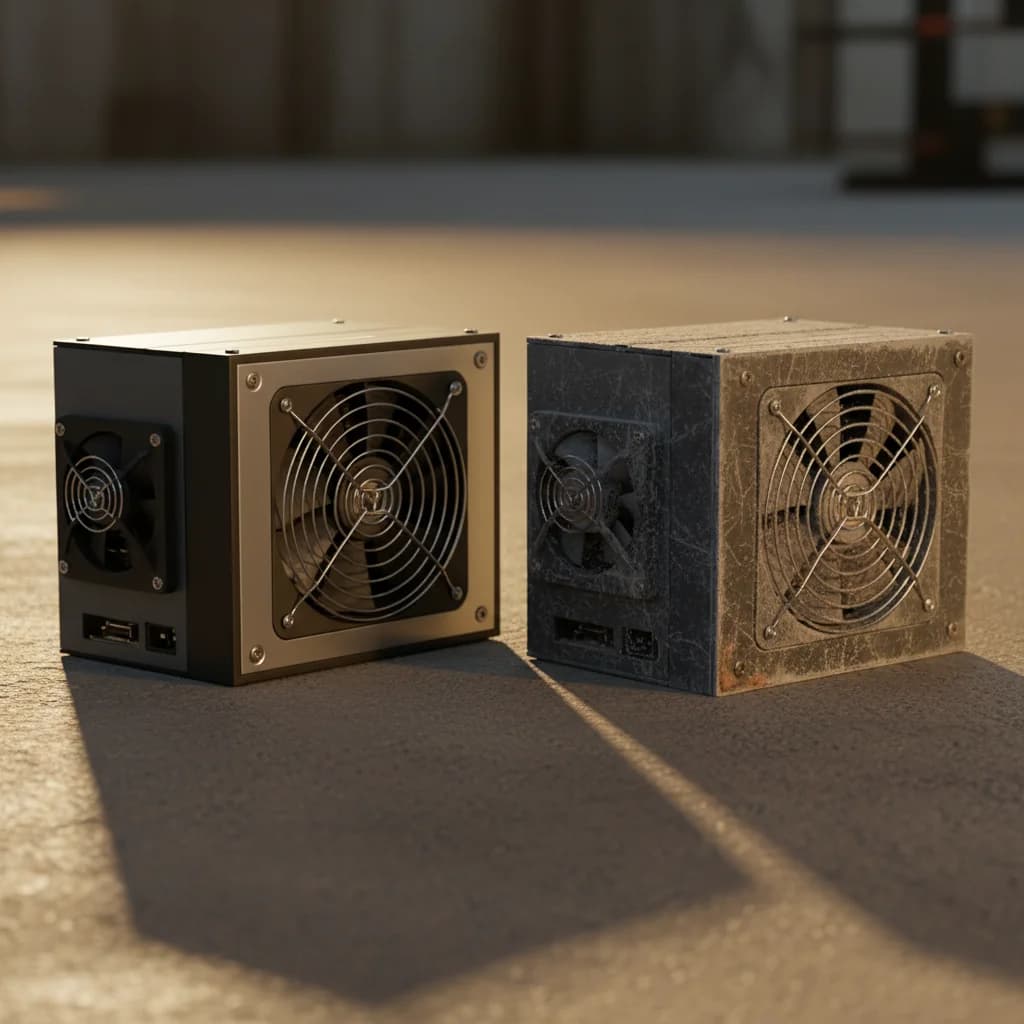 Buying & Market
New vs Refurbished ASIC: Which to Buy First
New costs 1.5 to 2 times refurbished and carries 12 months of warranty. The rule: buy new as long as a total loss on that machine would hurt.
4 min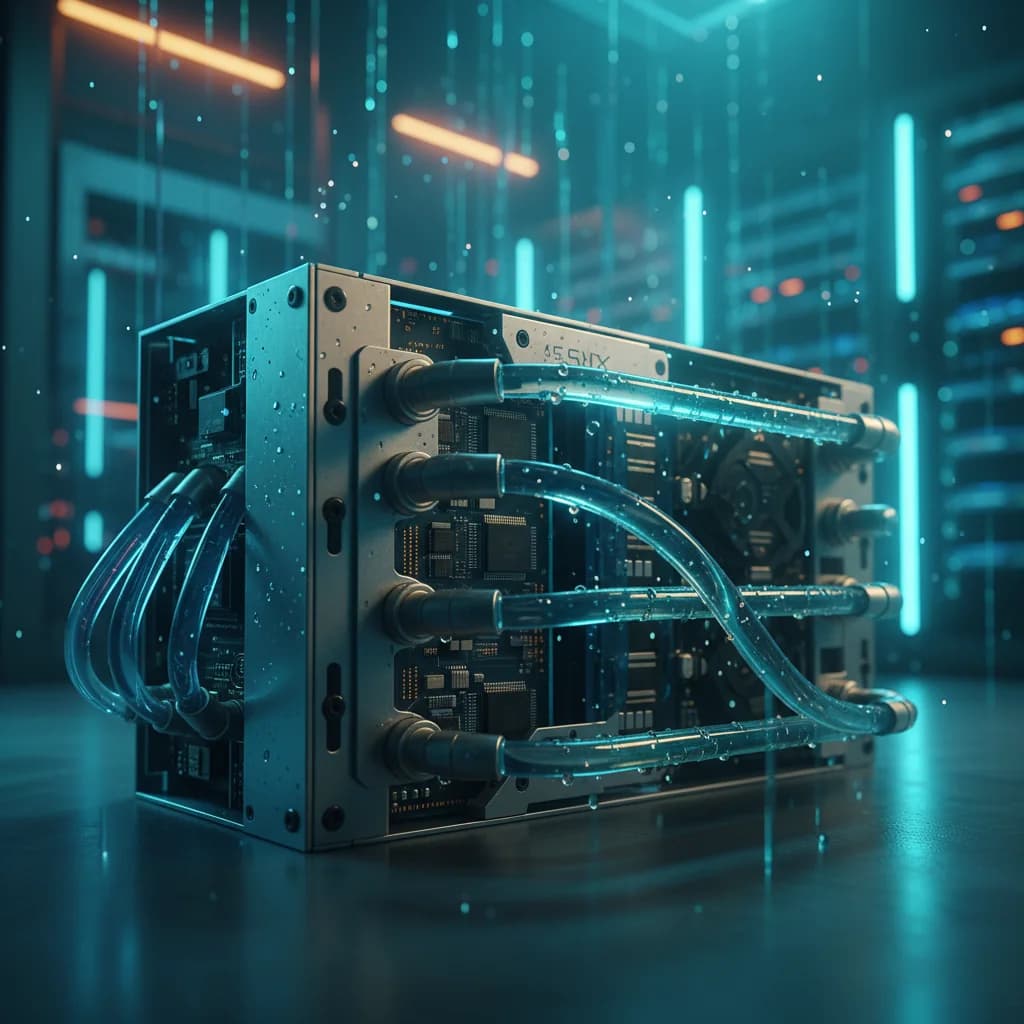 Reference Models
Antminer S23 Hydro 3U: The Most Efficient 2026 ASIC (9.5 J/TH)
The S23 Hyd 3U pushes 1.16 PH/s at 9.5 J/TH, its smaller sibling the S23 Hyd 580 TH/s at the same efficiency. Both need a hydro loop whose capex often exceeds the machines.
6 min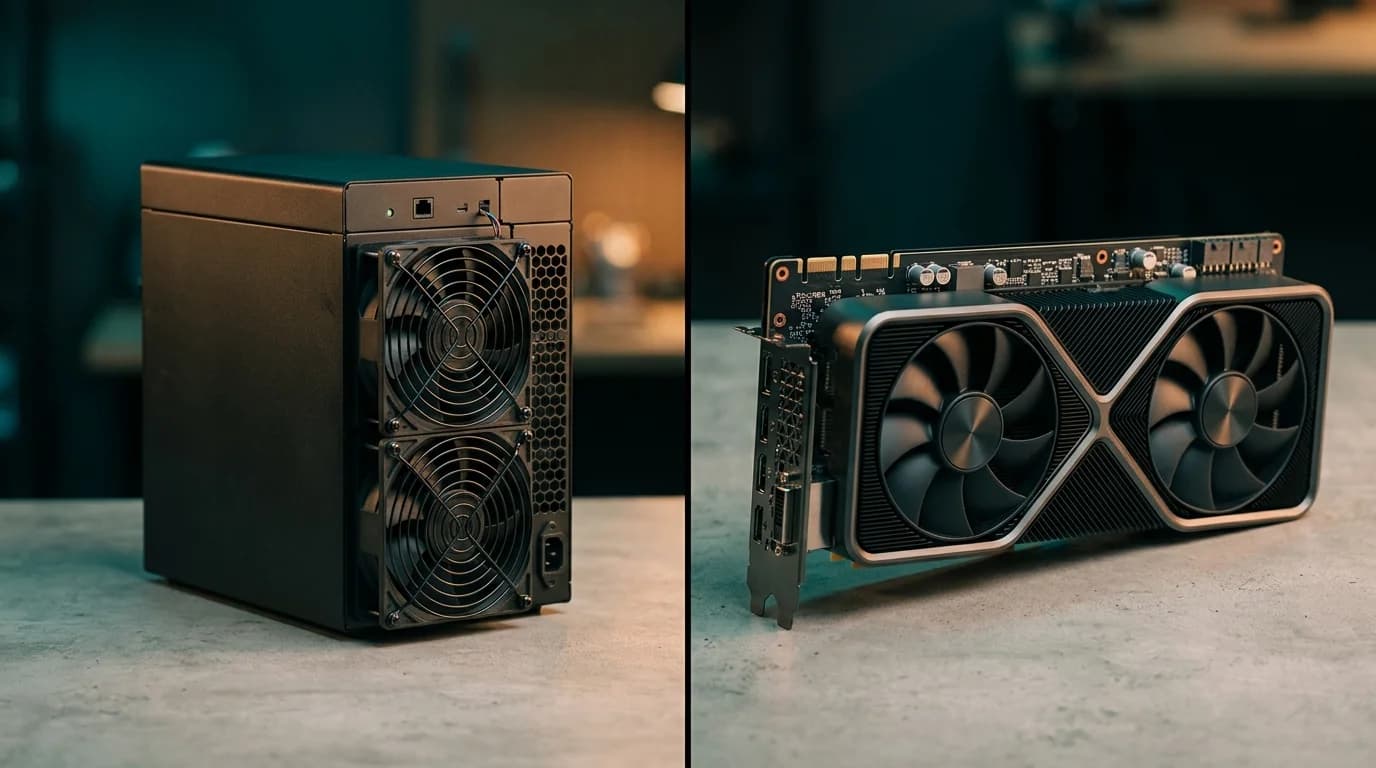 ASIC Fundamentals
ASIC vs GPU for Bitcoin Mining: Why GPUs Died in 2014
A modern ASIC pushes 234 TH/s, the best consumer GPU about 1 GH/s. That is 234,000 to 1 on hashrate and 30,000 to 1 on efficiency. GPUs keep a use on other networks, not on Bitcoin.
3 min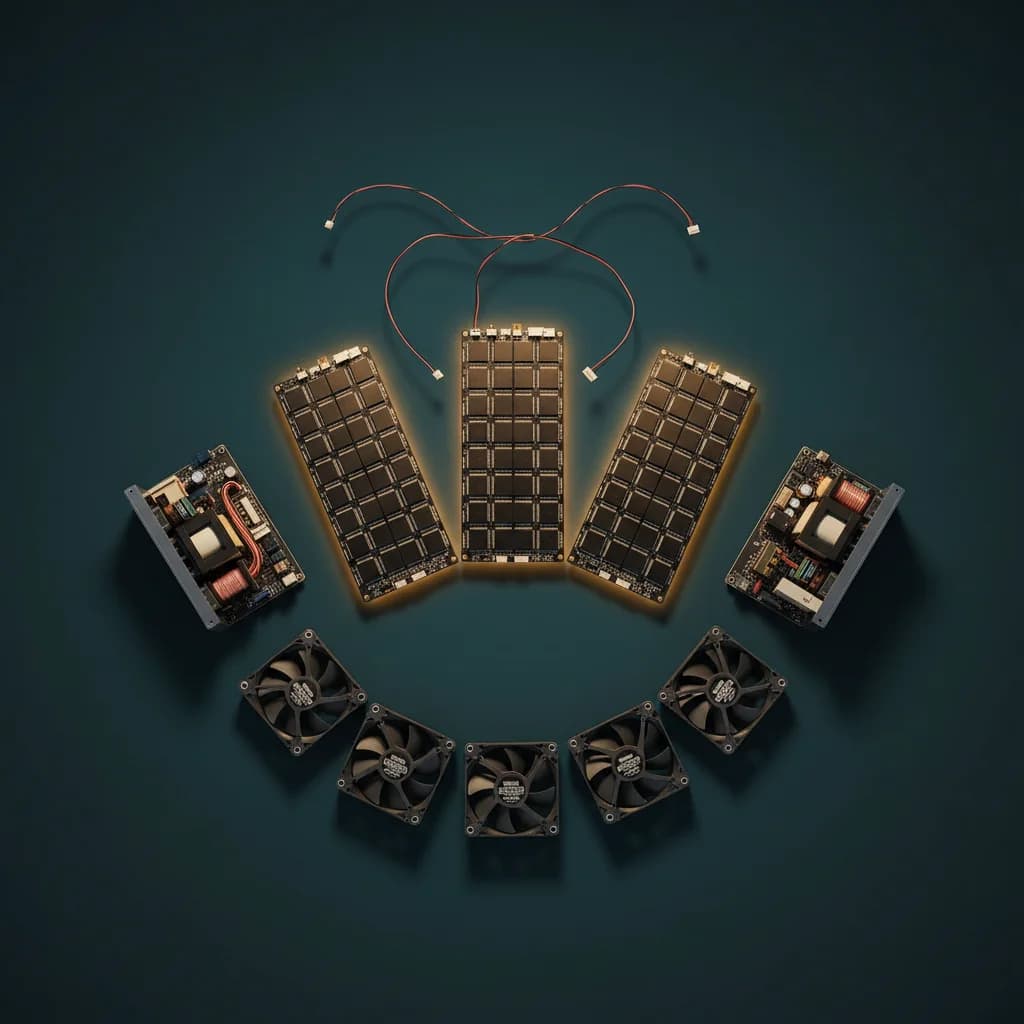 ASIC Fundamentals
Bitcoin ASIC Specs Explained: TH/s, Watts, J/TH, Price
Hashrate, watts, J/TH, $/TH: the four specs that decide a purchase, plus the calculation for the kWh price above which a machine stops earning.
4 min Guide pillar
Bitcoin ASIC Miner: The Complete Buyer's Guide (2026)
A Bitcoin ASIC is a chip purpose-built for SHA-256 hashing. In 2026 the leading models reach 9.5 J/TH and cost $3,000 to $18,000 depending on performance.
6 min Reference Models
Whatsminer M60S: The MicroBT Mid-Range Alternative
The M60S delivers 172 TH/s at 18.8 J/TH for about $4,200. Cheaper per TH than the S21 Pro, but its margin hits zero at $0.111/kWh against $0.139 for the Antminer.
5 min Buying & Market
Used Bitcoin ASIC: Where to Buy Without Getting Scammed
Specialized resellers, marketplaces, classifieds, Telegram groups: four channels ranked by reliability, the five common scams, and the 30-minute checklist before you pay.
6 min ASIC Fundamentals
What Is a Bitcoin ASIC?
A Bitcoin ASIC is a chip dedicated to SHA-256 hashing. It does nothing else, at a speed no other hardware reaches, and it goes obsolete in 24 to 36 months.
4 min- Article
Hosted Bitcoin mining: the complete 2026 guide
Buy the machine, hand its operation to a professional site. How to convert a $/kW/month rate into $/kWh, what hosting really costs, and how to pick a site.
4 min